
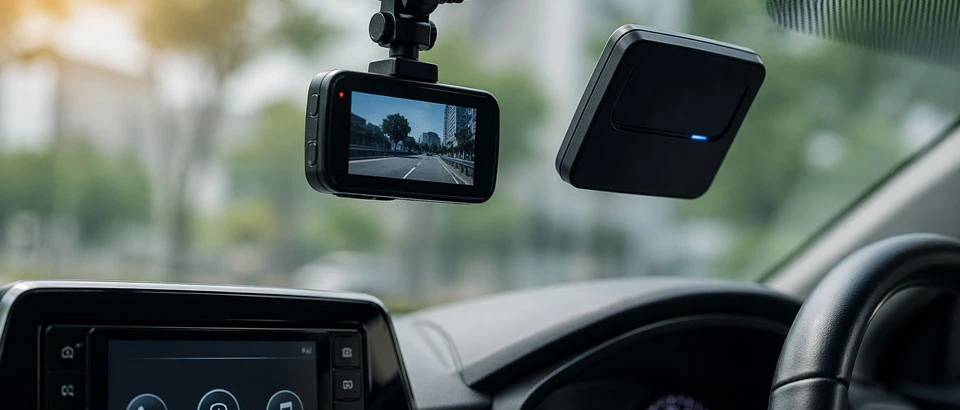
How ERP, Dashcams & In-Car Electronics Drain Your Car Battery in Singapore
Take a situation where you step into your car during a hectic Singapore morning, hit the start button, and nothing happens. The dashboard is flickering feebly, and systems have trouble responding. This is more prevalent than anticipated in a city where automobiles are more dependent on electronics. Modern cars are always connected to power, whether parked or not, through the use of ERP systems, always-on dashcams, and so on. Most motorists fail to notice that such devices slowly consume the 12V battery in silence. It is important to know what effect the use of daily electronics has on the health of the battery. It will avoid sudden failures, make it less inconvenient, and make the vehicle reliable even when it is heavily used.
How In-Car Electronics Drain Your Car Battery
1. ERP Systems Continuously Draw Power
Electronic Road Pricing is used during the day, even when not in motion. This low power consumption and constant standby operation cause a little but persistent power consumption that has an effect on the 12V battery over time.
- ERP stays in a standby position at all times.
- Consumes power during the off-duty hours of the vehicle.
- Often, the short trips put a strain on the battery.
- Traffic wastage prolongs the time of activity in the system.
- The long-term battery health is affected by continuous use.
- It can be imperceptible because of low power consumption.
2. Dashcams Operate Even When Parked
Dashcams, particularly those that come with parking surveillance, do not stop when the engine is switched off. In the long term, this constant energy consumption can be a serious power drain on the battery. This is especially true when the system does not have adequate voltage cut-off protection.
- Motion or impacts are captured by the parking mode.
- The battery is 12V, which draws continuous power.
- Prolonged parking times augment the risk of discharge.
- Cameras with a high resolution use more power.
- Battery drainage is enhanced by poor installation.
- Battery failure occurs as a result of a common cause.
Read More: Why Proper Car Battery Installation Matters for Your Vehicle
3. In-Car Infotainment Systems Consume Power
Large-screen infotainment systems that can have connectivity capabilities use power at each drive. The battery is not able to recharge well when used frequently, particularly on short journeys, and after some time, the battery will have a gradual energy imbalance.
- Touchscreens are not turned off in ignition cycles.
- The features of Bluetooth and Wi-Fi use continuous power.
- Engine restarts are made frequently, which leads to the use of more energy.
- Background applications keep on using energy.
- There are audio systems that contribute to the overall battery load.
- Minor driving does not allow the battery to be charged well.
4. Smart Key Systems Stay Active Always
Keyless entry and smart key systems are conveniently built, yet they are on at all times to sense the presence of the key. This is nonstop communication, which consumes power, and this is what slows down but gradually kills the battery when it is idle.
- The sensors are used to detect key proximity.
- The system is left on to be accessed easily.
- Slowly drains battery during long periods of time.
- More apparent when there is long idle parking.
- Contributes to total e-waste.
- Frequently, it is not thought about by vehicle owners.
5. Frequent Short Drives Reduce Battery Charging
Driving in Singapore tends to be tiring as the roads get congested. This reduces the amount of time that the battery can recharge. The electronic systems will still be using power, which causes the battery to slowly decrease over time.
- Short engine run times.
- An incomplete charging cycle is a common occurrence.
- Extensive use of electronics when making short trips.
- Congestion of traffic leads to a waste of time.
- The battery slowly becomes low in charge capacity.
- Reduces the longevity of the battery.
6. Climate and Heat Accelerate Battery Drain
The hot and humid climate of Singapore accelerates the wear of the battery by enhancing the chemical reactions inside the battery. Not only does this decrease the battery life, but it also diminishes its charge-holding capacity, particularly in conjunction with intensive electronic activity.
- Stress on the internal battery is raised by heat.
- Reduced time in evaporating battery fluids.
- It decreases the total battery life to a great extent.
- In hot weather, electronics will work harder.
- Continuous cooling systems load.
- Causes premature replacement of the battery.
7. Aftermarket Accessories Increase Load
Additional accessories purchased afterwards tend to put added pressure on the battery. They consume power on a continuous basis or when in use, and this adds to the overall load and enhances the rate at which the battery is drained, particularly when they are not professionally installed.
- Chargers on the phone consume energy.
- GPS trackers have no shut-off time.
- Upgrades to interior lighting use additional power.
- There are several devices that add complexity to battery loads.
- Ineffective wiring enhances inefficiency in energy.
- Uncontrolled accessories deteriorate the health of batteries.
8. Idle Power Consumption Adds Up Over Time
Although the car is parked, there are various systems that do not get totally inactive. This idle use of power will build up over hours or days. This will gradually lead to wearing down the battery and cause unpredictable failures as the driver tries to start the car.
- Background systems are not shut down completely.
- Security systems are standby powered.
- Dashcam and ERP are still in operation.
- Drain is experienced following extended parking.
- The battery does not last long unless charged frequently.
- Causes unforeseen no-start conditions.
9. Preventive Measures Can Reduce Battery Drain
The simplicity of habits and taking care of the car can go a long way in alleviating battery stress. Efficient use of electronics and periodic tests guarantee that the battery is in good shape and able to meet the current electronic needs effectively.
- Switch off the extravagant accessories during parking.
- Install dashcams that have voltage cut-off capabilities.
- Travel greater distances at times.
- Monitor battery health on a regular basis.
- Do not use a lot of idleness.
- Install accessories professionally.
10. Ignoring Battery Health Leads to Breakdowns
Lack of checking battery status in an electronics-intensive setting puts a greater risk of experiencing sudden failures. Most drivers usually realize problems when the car will not start, at the wrong time, which can be inconvenient in their daily lives.
- The car can start not starting unexpectedly.
- A major problem with highly-equipped cars.
- Frequently confused with major system faults.
- Need a quick change or jump-start.
- Causes time wastage in day-to-day commuting.
- It can be avoided with simple examinations.
Conclusion
In the technology-driven driving environment of Singapore, car batteries are under pressure continuously due to several systems. ERP units, dashcams, and clever features silently use up power as time goes by. This results in unforeseen failures and inconvenience without realizing it. The reliability is maintained through regular maintenance, more intelligent usage patterns, and replacing the battery on time. Knowing all these under-the-hood components means the daily commute will be more comfortable and the vehicle will be reliable, even though the car will be all the more reliant on car electronics. If you experience signs of battery drain or unexpected issues, reaching out to professionals like Swift Battery Specialist can help ensure timely checks and a hassle-free driving experience.


