
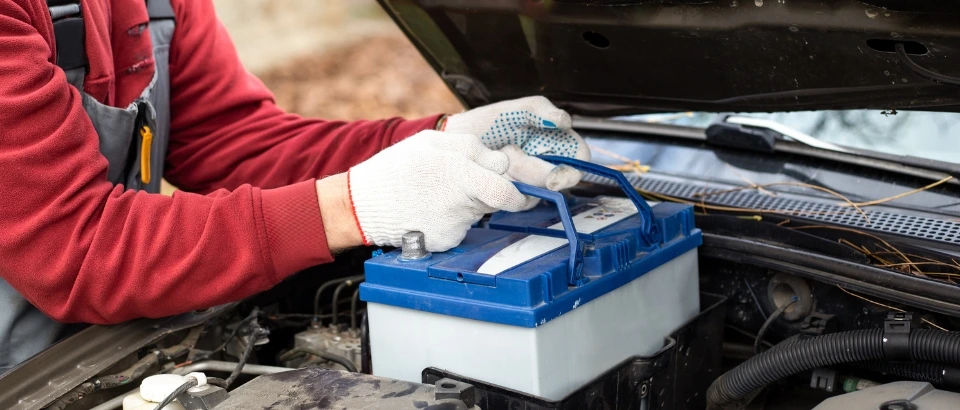
Why Proper Car Battery Installation Matters for Your Vehicle
You think a car battery just starts the engine?! Well, that’s not the thing. It does far more. It provides power to crucial electronics. It also helps with safety measures. That’s not it. It allows the vehicle to operate in a competent manner. Correct installation of the car battery guarantees satisfactory operation, exclusion of electrical complications, and safeguarding delicate parts.
Improper installation of the car battery is definitely not good. This may lead to a number of problems that include poor starting, improper working of warning lights and long-term damage.
Knowledge of the importance of proper installation can save vehicle owners from a lot of troublesome situations and sudden breakdowns. It can increase battery life and improve the overall health of the vehicle.
1. Guarantees Hassle-free and Smooth Engine Starting
Proper installation of the battery ensures a consistent supply of power to the starter motor. Effective terminal alignment and safe connections minimize the voltage drops. This leads to a smooth start of the engine in any case.
- Eliminates poor cranking in low or high temperature weather.
- Maintains a constant supply of current to the starter motor.
- Minimizes the stress on ignition system parts.
- Does not experience intermittent failures in starting due to loose terminals.
- Starts fast even after prolonged vehicle inactivity.
An installed battery will do away with hesitation at ignition. This dependability is particularly important in daily commuting and long-distance driving without sudden starting problems.
2. Protects Vehicle Electronics
The current cars are electronics-intensive and computer-intensive. A correctly installed item can avoid short-circuiting or high spikes of voltage that have the potential to destroy delicate electrical systems.
- Protects information and entertainment systems.
- Deters operating conditions, sensors.
- Lessens the occurrence of blasted fuses and relays.
- Power supply in onboard computers is maintained constant.
- Stops unexpected electronic shutdown during travelling.
Proper installation ensures that there is a constant voltage. This reliability is beneficial in making electronic parts work properly and prevents expensive electrical maintenance.
3. Extends Battery Lifespan
A battery that has been fastened is less vibrated and strained. This reduces the interior catabolic damage and electrolyte loss, increasing the total battery life.
- Minimizes wear within the internal parts due to overuse of movement.
- Stop the sulfation of battery plates too soon.
- Leads to the best charging and discharging processes.
- Protects against damage that may happen because of continuous jolts and vibrations.
- Helps in identical chemical reactions within the battery.
The battery works effectively with the assistance of proper mounting and connections. This will eventually result in reduced replacements and savings of money.
4. Prevents Corrosion and Terminal Damage
Inadequate fitting will hasten the process of corrosion of battery terminals. Correct positioning and screw tightening minimize contact with moisture and acid formation.
- Provides fastidious terminal connections.
- Reduces acid spillages and sedimentation.
- Lowers the maintenance rate and cleaning requirements.
- Averts the loss of volts caused by tarnished terminals.
- Enhances the overall electric conductivity.
Clean terminals enhance safety and conductivity. Corrosion prevention also prevents the initiation of problems that are necessitated by bad electrical contacts.
5. Improves Charging System Efficiency
The battery is charged while driving. The effective operation of the charging system is determined by appropriate installation that would not overcharge or underecharge.
- Maintains the right voltage regulation.
- Helps enhance the work of an alternator and its durability.
- Smart battery overheating in charge mode.
- Provides proper feedback to the billing system.
- Eliminates the stresses on belts and electrical parts.
Charging is efficient to maintain the battery. It will also make sure that the electric systems get enough power during any operation.
6. Reduces Risk of Electrical Short Circuits
Weak or reversed connections may result in hazardous short circuits. Proper installation will reduce the chances of short circuits. It also leads to fewer overheating issues or electrical fires.
- Checks on proper polarity connection.
- Eliminates contact of open wires with metal.
- Increases vehicle general electrical safety.
- Minimizes the possibility of melted insulations or cables.
- Insulates heat from areas around its components.
Electrical safety ensures the safety of the car and its occupants. Proper installation is an easy measure which avoids severe risks.
7. Maintains Vehicle Safety Features
ABS, airbags, and stability control safety systems are dependent on constant power. These systems are operationalized by a well-fitted battery.
- Power to the safety modules supports interruption.
- Avoids system malfunctions and caution signs.
- Provides proper sensor and module communication.
- Ensures that airbag deployment systems are ready.
- Electronic safety features prevent loss of calibration during electronic safety.
Power supply should be reliable when there are emergencies. Correct installation means that safety precautions are achieved.
8. Avoids Unexpected Breakdowns
The wrong installation of the battery may cause a sudden power cut. Secure installation minimizes the risks of failure due to loose connections.
- Stops any unexpected engine failure.
- Minimizes roadside assistance emergencies.
- Increases confidence when driving long distances.
- Reduces the risk in the situation of heavy traffic.
- Guarantees a continuous power supply even under rough road conditions.
Uninterrupted power supply implies reduced surprises. This is a crucial aspect of stress-free ownership of the vehicles.
9. Supports Fuel Efficiency
The inefficiencies occurring in electricity make the alternator work harder. Correct installation of the battery minimizes extra work on the engine.
- Optimizes the work of an alternator.
- Reduces engine load during operation.
- Helps operate efficiently on fuel consumption.
- Eliminates the unnecessary energy consumption of accessories.
- Helps to make the engine work better overall.
Efficient electrical performance is indirectly related to better fuel economy. Minor changes can make a difference in the long run.
Read More: How Car Battery Can Actually Hamper Your Fuel Economy?
10. Preserves Manufacturer Warranty and Vehicle Value
Improper installation may confer the nullity of warranties or resale value. Correct installation will provide adherence to the guidelines of the manufacturer.
- Coverage of electrical parts on warranty.
- Eliminates claims of damages in installation.
- Increases general automobile resale value.
- Shows good maintenance skills to prospective buyers.
- Secures records of services against unnecessary problems.
Proper processes ensure investment security in the long run. An electrical system that is well-maintained will bring confidence to the buyers.
Conclusion
Properly installed car batteries are essential for long-term performance, safety and reliability. Correct installation ensures smooth engine starting, protects sensitive electronics, reduces unexpected breakdowns and helps extend battery life while keeping your vehicle operating at peak efficiency. It is a simple yet critical step that makes a big difference in your car’s overall health.
So, for dependable performance and maximum efficiency on the road, always ensure your car battery is installed correctly. When handled by professionals like Swift Battery Replacement, you gain peace of mind knowing your vehicle’s power system is managed with expertise, precision and care, keeping you safe and stress free every time you drive.


